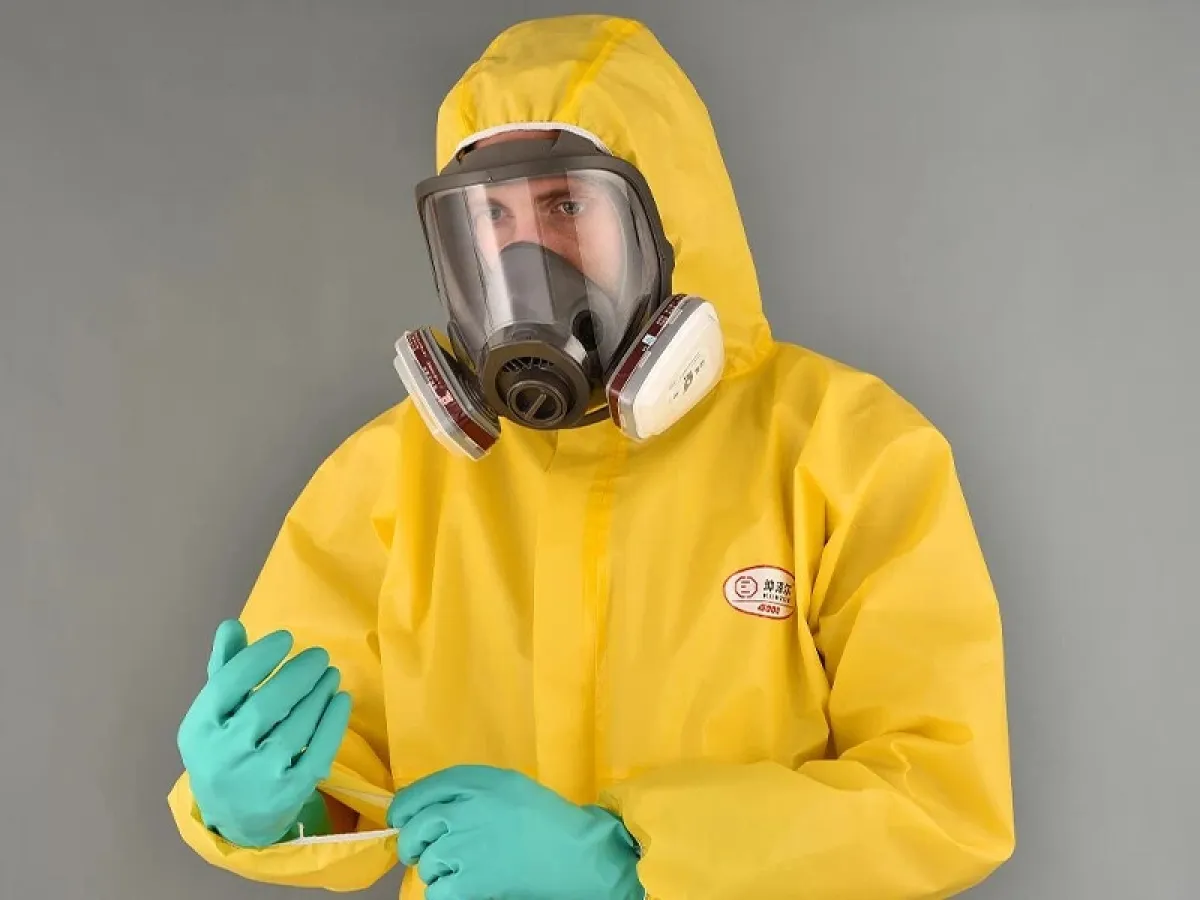
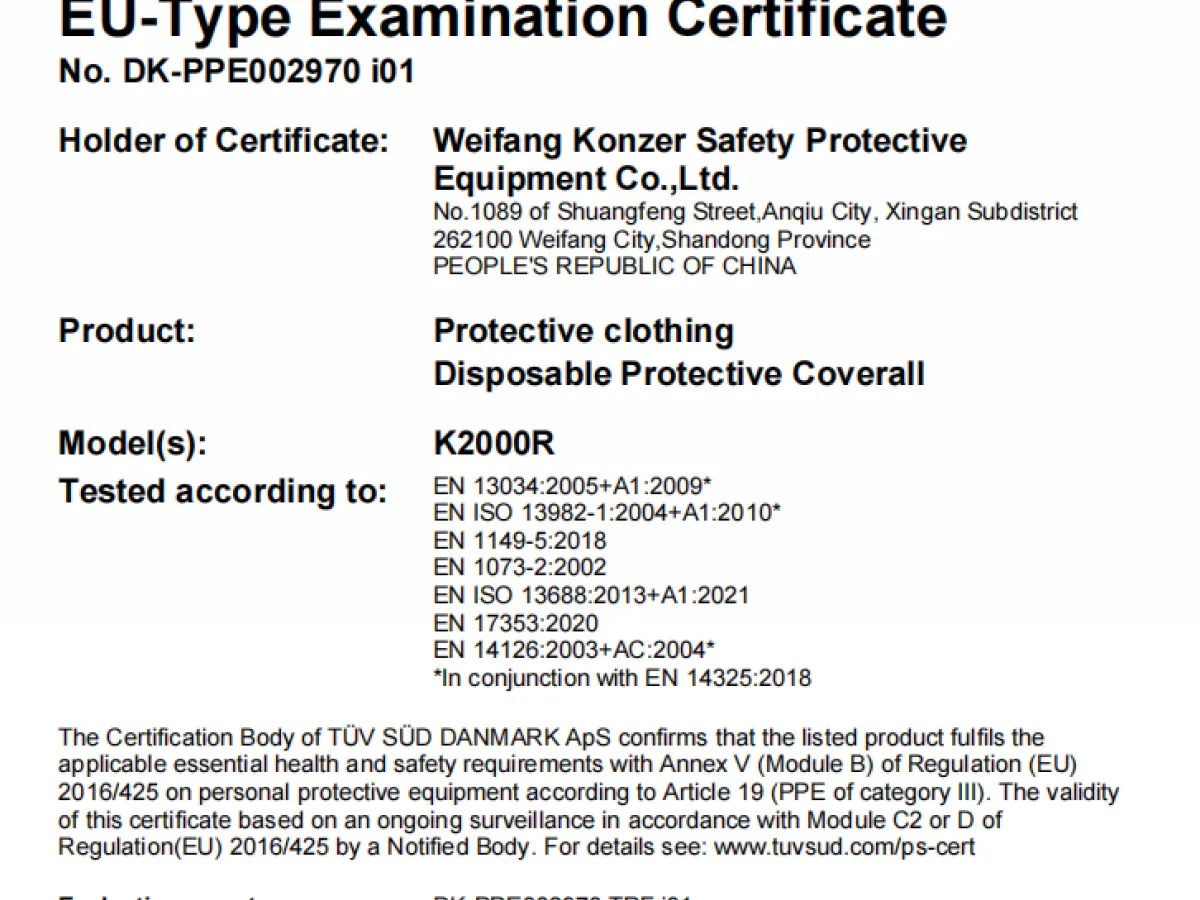
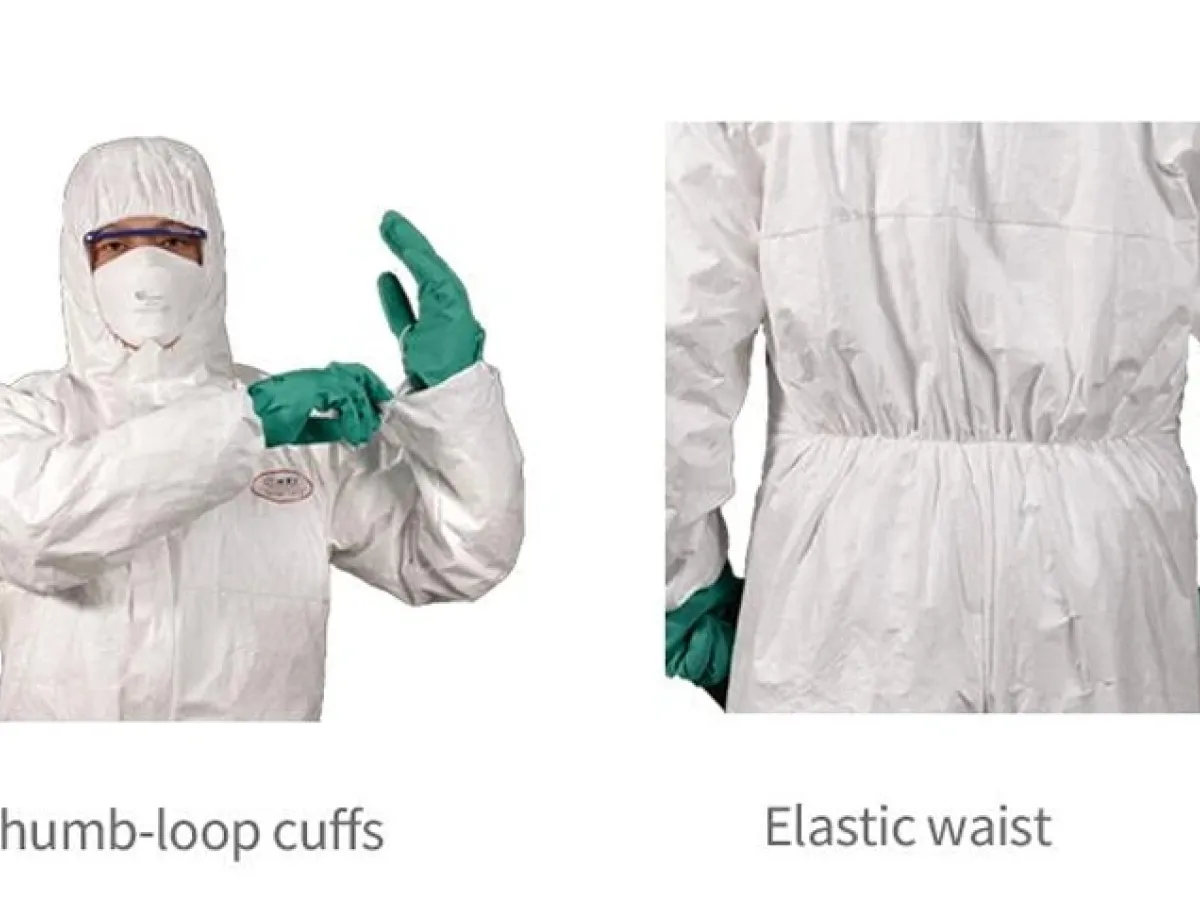
For teams working in chemical manufacturing, hazardous waste disposal, and industrial chemical handling, a subpar chemical protective coverall isn’t just an inconvenience—it’s a critical safety gap. As regulatory standards for chemical industry PPE grow stricter across global markets, choosing the right chemical protective suit has become non-negotiable for both worker protection and operational compliance.
What Sets a High-Performance Chemical Protective Coverall Apart
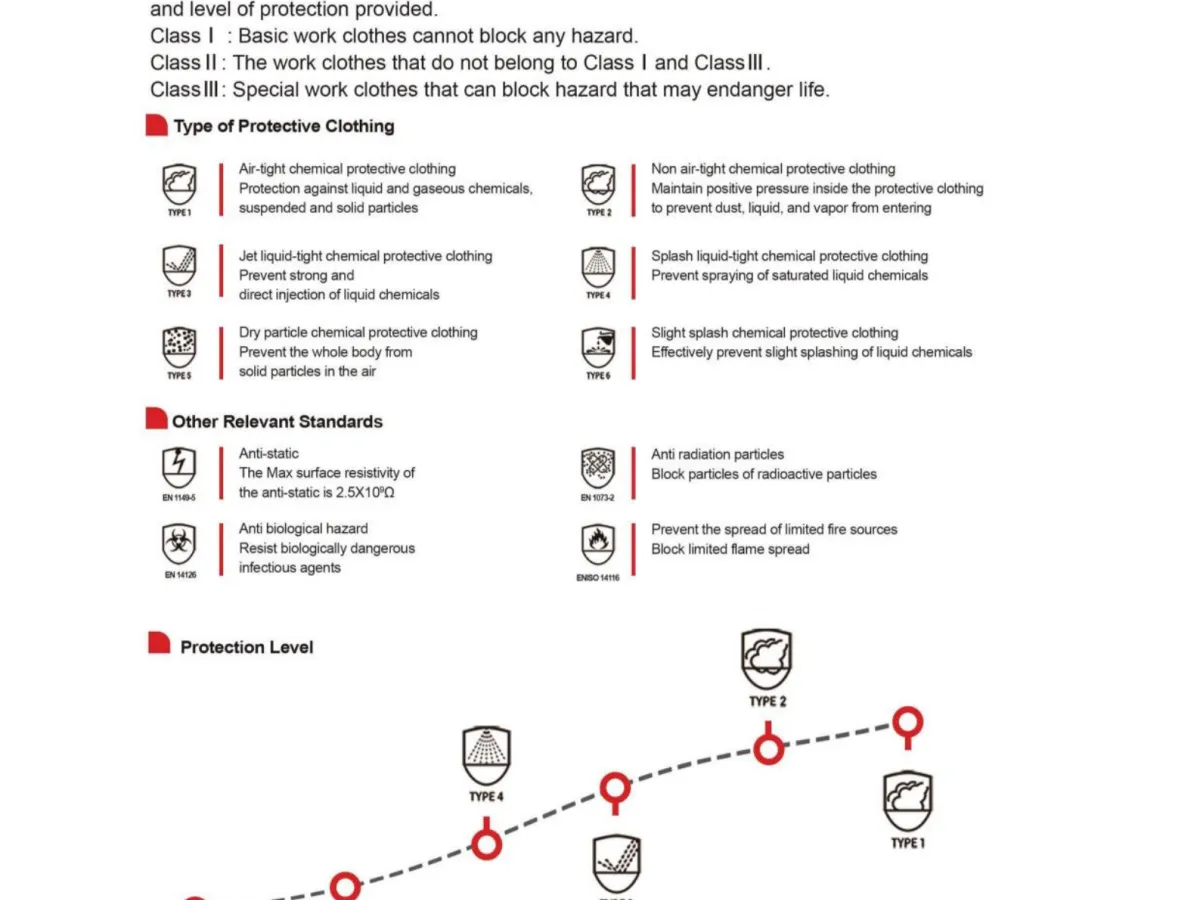
Not all chemical resistant coveralls are built to deliver consistent, long-lasting protection. The most reliable options on the 2026 market are engineered to address the full spectrum of on-site risks, from routine chemical splash protection to full contact with corrosive, toxic, or hazardous chemicals:
Multi-layer, barrier-backed fabric that blocks permeation from 90+ common industrial chemicals, eliminating the risk of seepage that leaves workers exposed during extended shifts
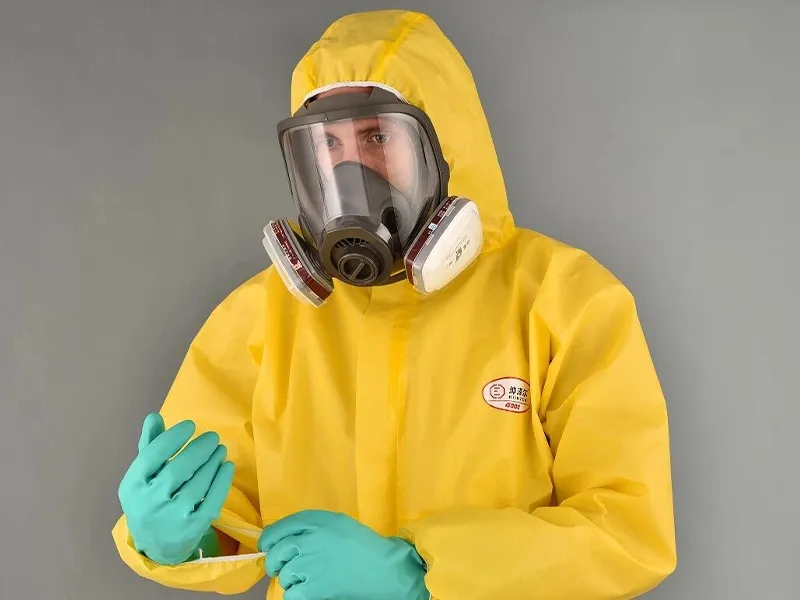
Full-seam heat-sealing and integrated hood, bootie, and glove interfaces that create a continuous, unbroken barrier for complete chemical spill protection
Lightweight, breathable construction that cuts down on worker fatigue, a common pain point that leads to improper PPE use in high-temperature industrial settings
Key Use Cases for Industrial Chemical Protective Clothing
This category of chemical protection clothing is purpose-built for the highest-risk job functions, including:
Routine hazardous chemical handling in pharma, specialty chemical, and oil and gas facilities
Emergency response and containment for unexpected chemical spill incidents
Hazardous waste PPE for landfill operations, waste processing, and site remediation projects