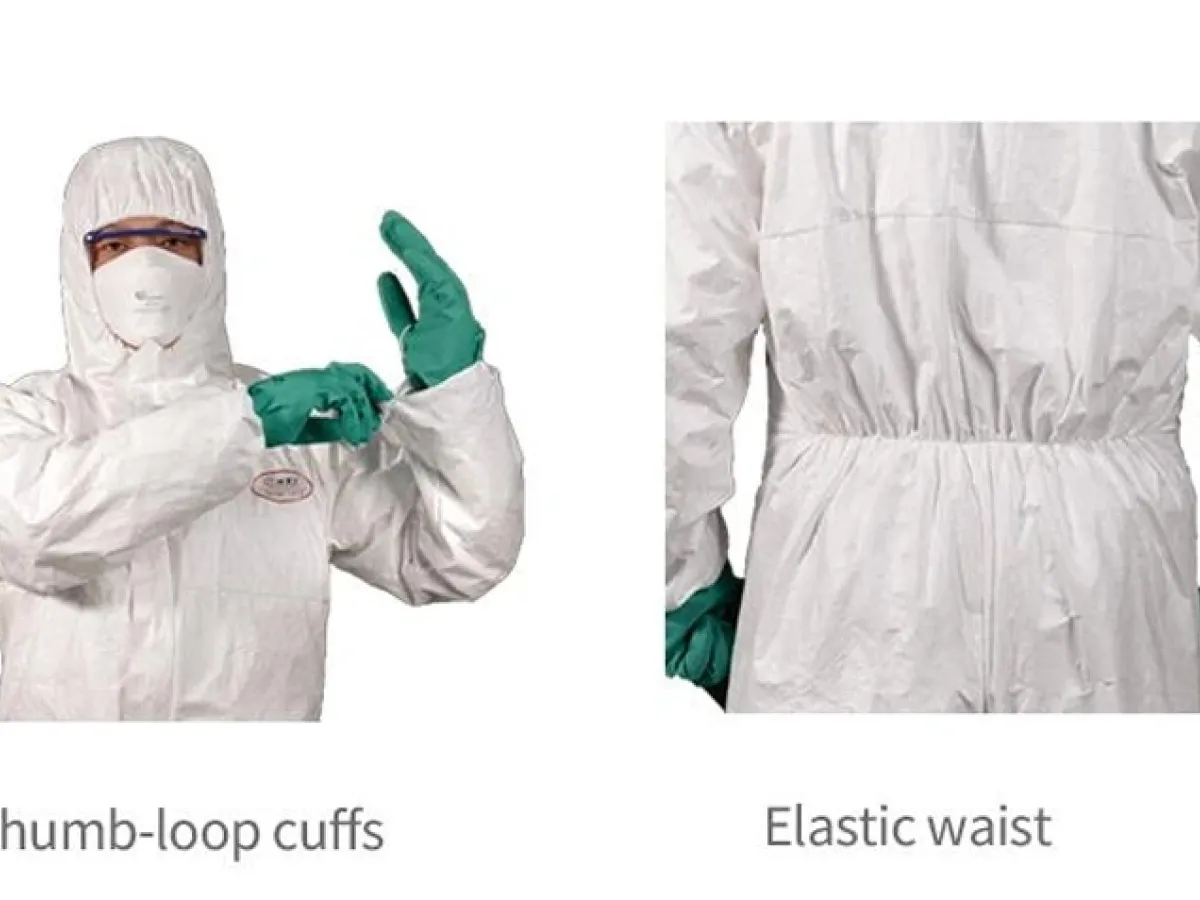
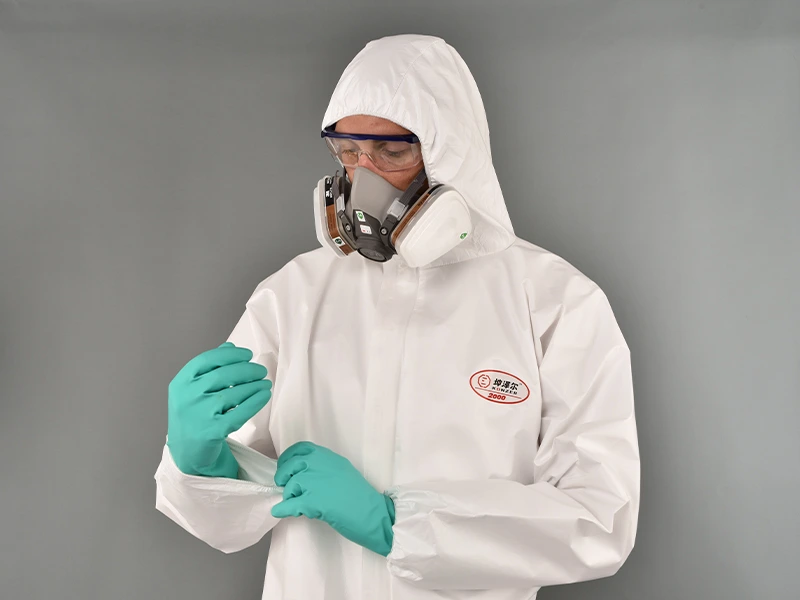
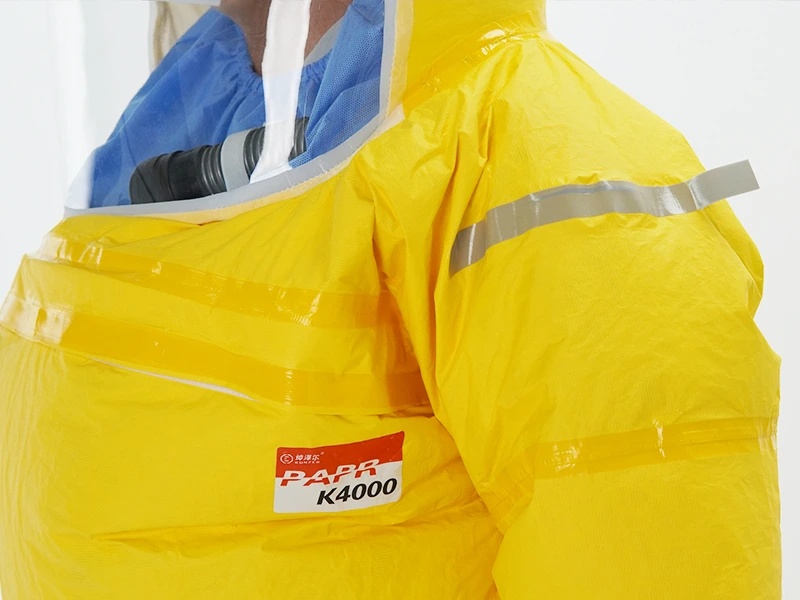
Protective coverall is a one-piece personal protective equipment (PPE) that covers the whole body, including torso, arms and legs. It is widely used in pharmaceutical cleanrooms, chemical handling, food processing, healthcare and industrial contamination control to protect users from solid particles, liquid splashes and light chemical hazards.
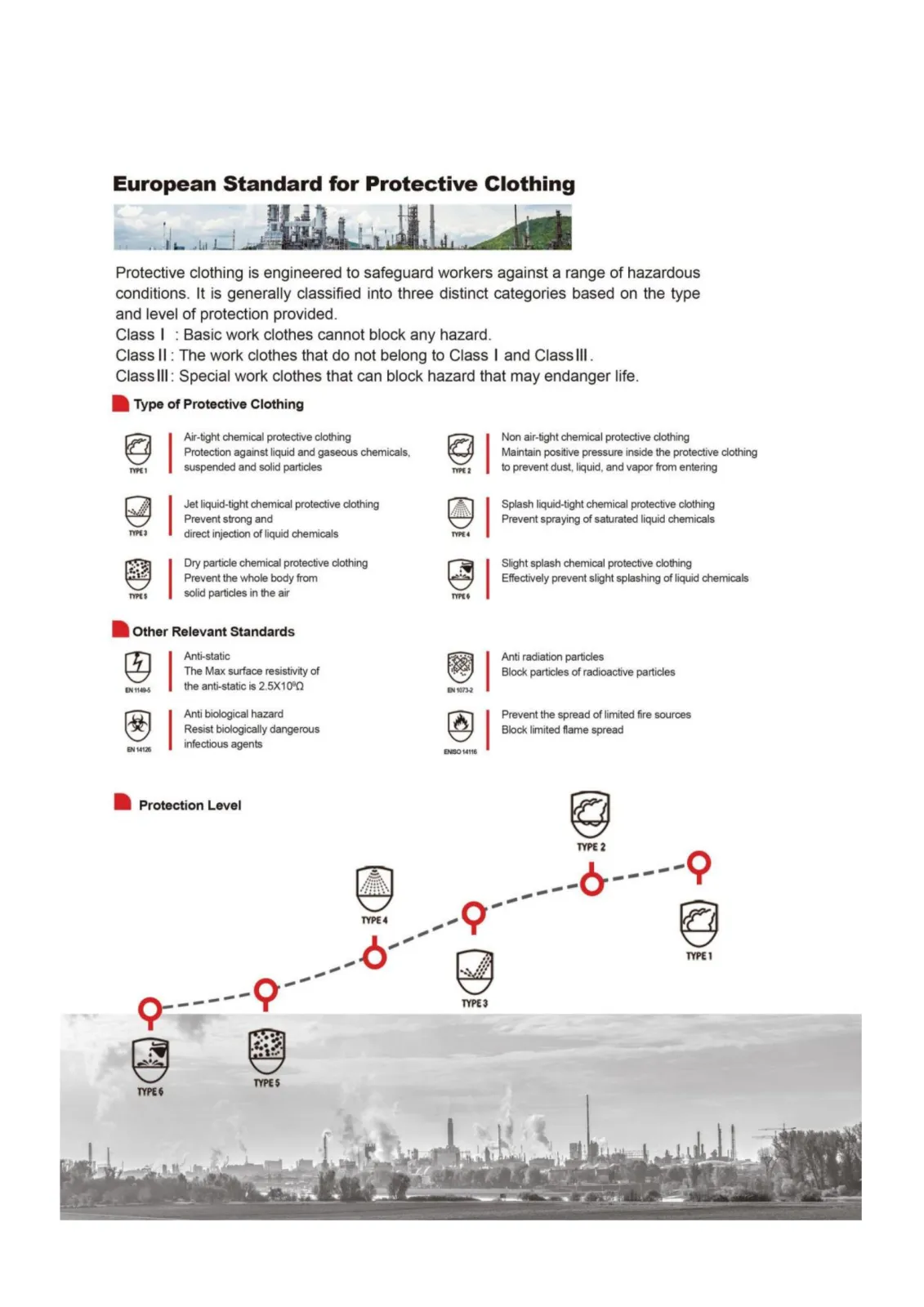
1. Core Classification by Performance
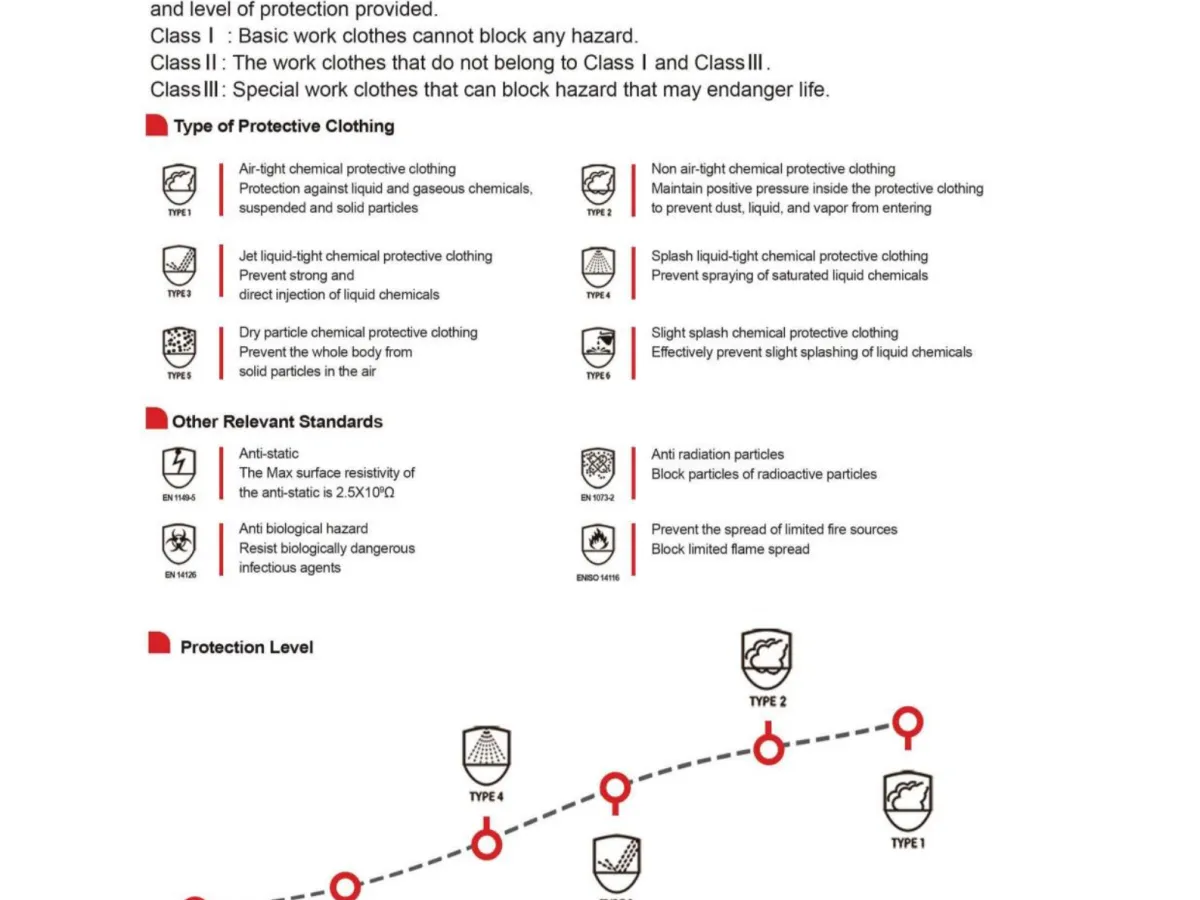
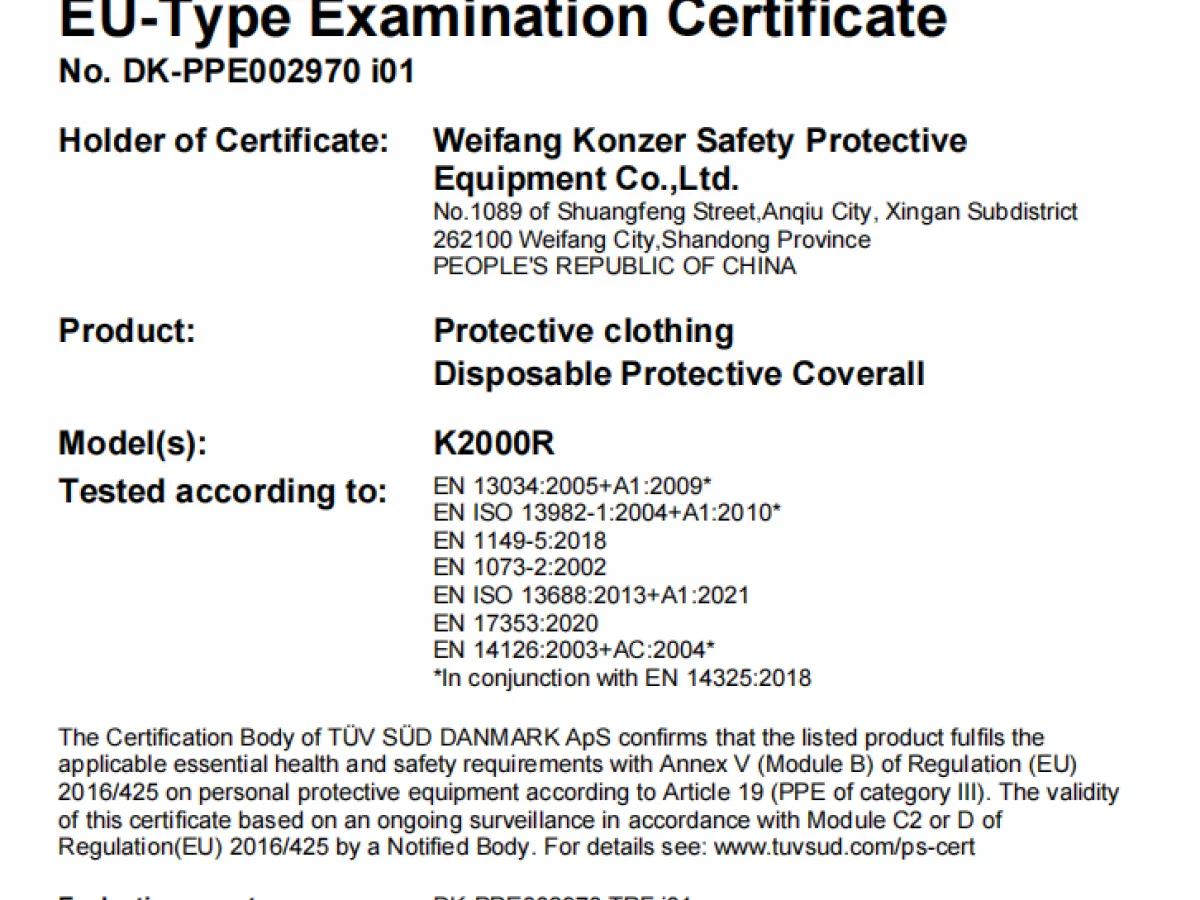
Protective coveralls are categorized according to EN ISO standards.
• Type 5: Protection against airborne solid particulates (dust, powder, biological particles). Widely used in cleanroom, powder handling.
• Type 6: Limited splash protection against liquid chemicals. Resists light liquid splashes, not for continuous heavy chemical spray.
• For heavy chemical hazards, Type 3 / Type 4 coveralls are required, which offer robust liquid-tight or spray-tight protection.
Note: Cleanroom coveralls for pharma are usually tested for particle shedding, fabric barrier property and antistatic performance. It focuses on low particle emission to avoid contaminating products, different from industrial chemical protective coveralls.
2. Material Types
• Non-woven fabric (PP / PP+PE laminated): Disposable protective coveralls, cost-effective. Mainly for short-time tasks, one-time use.
• Reusable woven polyester: Reusable cleanroom coveralls, can withstand repeated washing and sterilization. Preferred in pharmaceutical cleanrooms with strict GMP requirements.
3. Common Application Scenarios
Pharmaceutical cleanrooms, laboratory, chemical workshop, food manufacturing, asbestos removal, epidemic prevention, dust control work sites.